

Dry eyes are a common problem caused by insufficient tear production or tears that evaporate too quickly. Common triggers include screen overuse, aging, air conditioning, allergies, windy climates, dehydration, and certain medications. While medical treatment may be necessary in some cases, many people find relief through simple, safe home remedies.
1. Warm Compresses

Applying a warm, moist compress can help unblock the oil glands along the eyelids (meibomian glands).
How to do it:
Soak a clean washcloth in warm (not hot) water.
Close your eyes and place it over your eyelids for 5–10 minutes.
Gently massage the eyelids afterward to encourage oil flow.
Why it helps: Healthy oil secretion slows tear evaporation and provides longer-lasting moisture.
2. Blink More Often—Especially During Screen Time
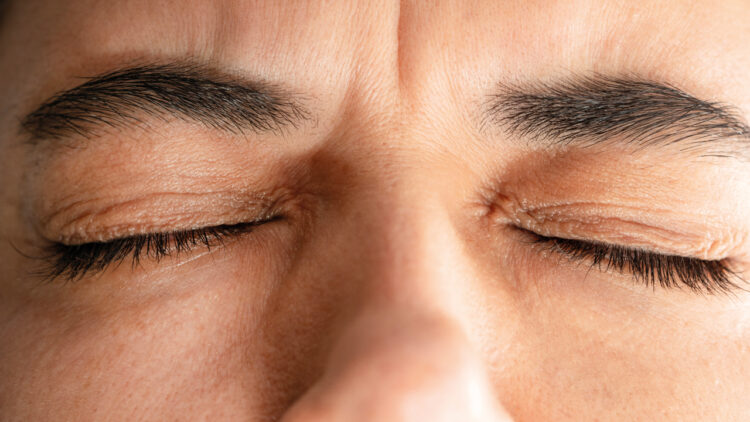
When focusing on digital screens, people blink up to 60% less frequently.
Remedy:
Follow the 20-20-20 rule: Every 20 minutes, look at something 20 feet away for 20 seconds.
Consciously practice full, slow blinks to help refresh your tear film.
3. Use a Humidifier

Indoor heating, fans, and AC units dry out the air and quickly evaporate tears.
Tip:
Run a humidifier in your bedroom or workspace.
Keep the humidity around 40–50% for comfort.
4. Stay Hydrated

Insufficient water intake can reduce tear production.
Try:
Drinking 6–8 glasses of water a day (adjust based on your climate and activity level).
Limiting caffeine and alcohol, which can contribute to dehydration.
5. Apply Preservative-Free Artificial Tears
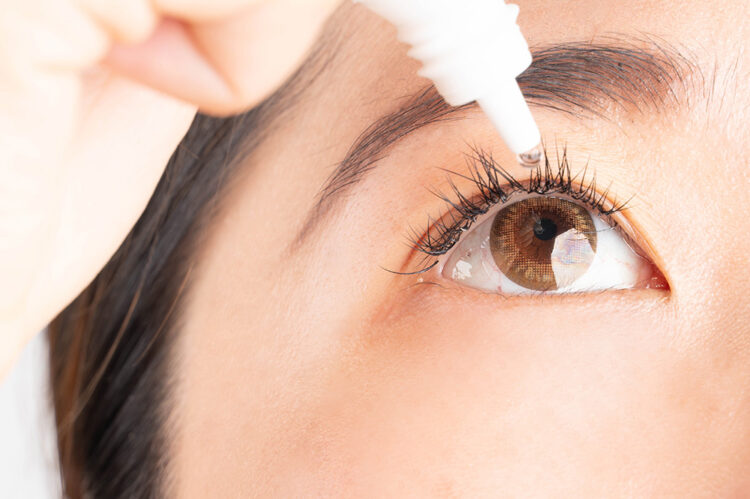
While not a “homemade” remedy, over-the-counter lubricating eye drops provide immediate relief and are safe for frequent use.
Choose:
Preservative-free single-use vials to avoid irritation from additives.
Avoid redness-relief drops—they can worsen dryness when used long-term.
6. Omega-3 Fatty Acids (Dietary Support)

Omega-3s may support better tear quality by improving meibomian gland function.
Good food sources:
Salmon, sardines, mackerel
Chia seeds, flaxseed, walnuts
Note: Supplements can help but should be taken under a healthcare provider’s guidance.
7. Follow Proper Eyelid Hygiene
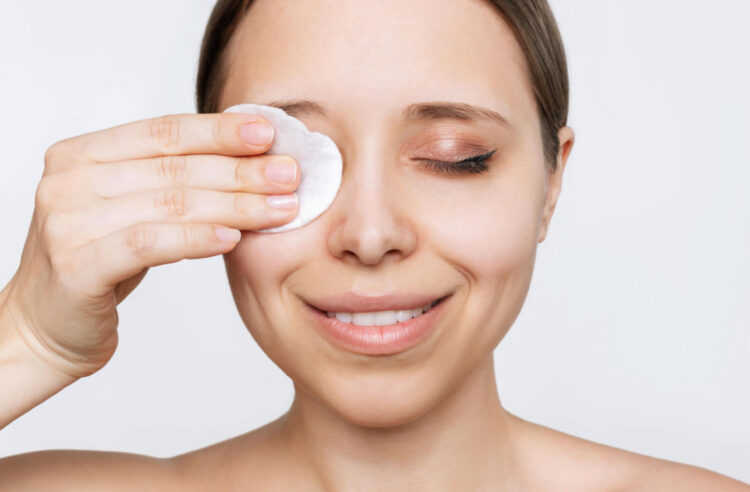
Inflammation or debris around the eyelids can worsen dry eye.
Routine:
Wash the eyelids daily with warm water and a mild, diluted baby shampoo or a store-bought eyelid cleanser.
Gently clean the lash line using a cotton pad.
8. Protect Your Eyes from Wind and Sun

Environmental factors are major triggers.
Tips:
Wear wraparound sunglasses outdoors.
Avoid sitting directly under fans or vents.
Use protective eyewear when cycling or in windy conditions.
9. Adjust Your Screen and Reading Habits

Small lifestyle changes can reduce strain on your eyes.
Try:
Keeping screens at eye level to reduce wide-eyed staring.
Increasing font size to avoid squinting.
Using “night mode” or blue light filters to reduce strain.
10. Use a Warm Oil Massage (Optional)

Some people find relief from lightly massaging the eyelids with warm coconut or castor oil.
How to do it safely:
Use clean hands and a sterile cotton swab.
Apply a tiny amount to the eyelid margins only—never directly into the eye.
Caution: Stop immediately if irritation occurs.
When to See a Doctor

Seek medical evaluation if:
Dryness persists despite home remedies
You experience significant pain, redness, discharge, or vision changes
You have autoimmune conditions (e.g., rheumatoid arthritis, Sjögren’s syndrome)
You frequently rely on artificial tears more than 4–6 times a day
Chronic dry eye can be caused by underlying issues requiring targeted treatments such as prescription drops, punctal plugs, or gland therapies.