
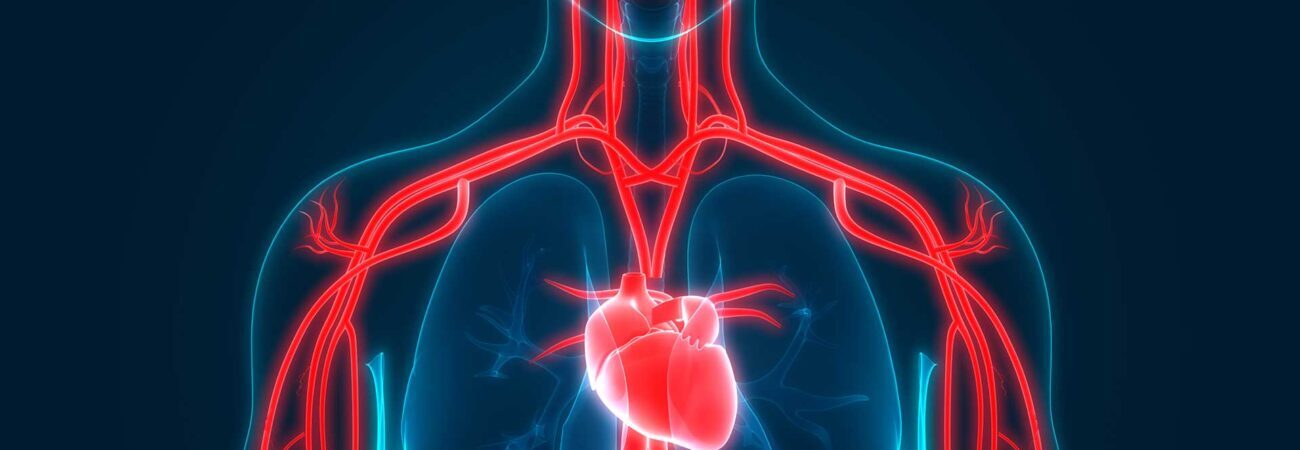
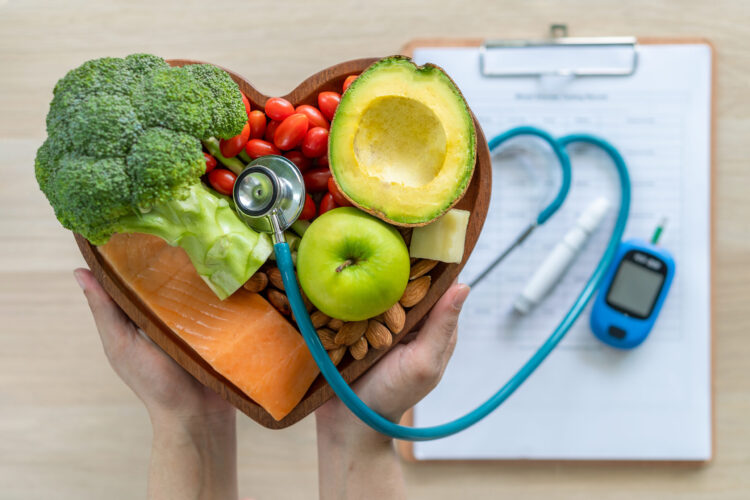
Heart disease remains one of the leading causes of death worldwide. While factors such as genetics, age, and lifestyle play important roles in heart health, diet is one of the most powerful tools for preventing cardiovascular disease. A healthy heart diet focuses on nutrient-rich foods that support healthy blood pressure, cholesterol levels, and overall cardiovascular function.
What Is a Healthy Heart Diet?
A healthy heart diet is an eating pattern designed to reduce the risk of heart disease by promoting healthy blood vessels, controlling cholesterol levels, maintaining a healthy weight, and reducing inflammation. Rather than following a strict set of rules, it emphasizes balanced nutrition and long-term healthy eating habits.
Key Components of a Heart-Healthy Diet
1. Eat More Fruits and Vegetables
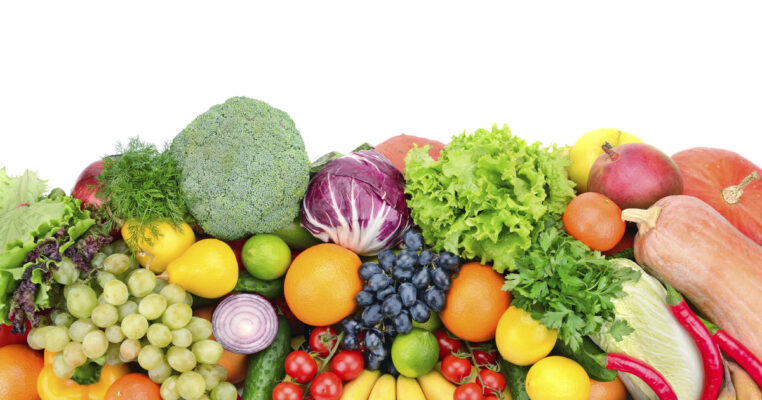
Fruits and vegetables are rich in vitamins, minerals, antioxidants, and dietary fiber. These nutrients help protect the heart by reducing inflammation and supporting healthy blood pressure.
Examples:
- Berries
- Oranges
- Spinach
- Broccoli
- Carrots
- Tomatoes
Aim for at least five servings of fruits and vegetables each day.
2. Choose Whole Grains

Whole grains contain fiber and nutrients that help regulate cholesterol levels and improve heart health.
Healthy choices include:
- Oats
- Brown rice
- Whole-wheat bread
- Quinoa
- Barley
Replacing refined grains with whole grains can significantly lower the risk of cardiovascular disease.
3. Include Healthy Fats
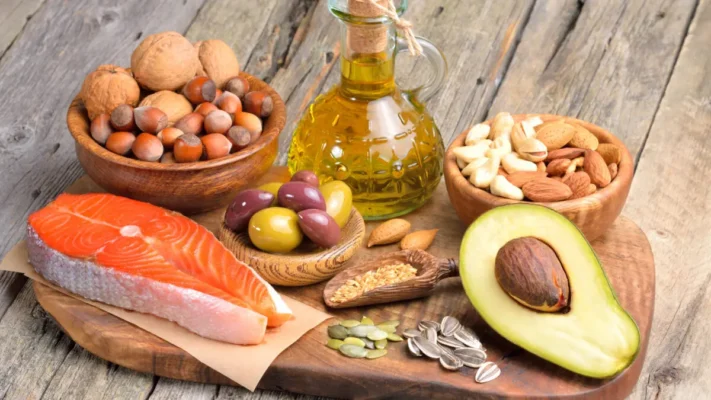
Not all fats are harmful. Unsaturated fats can improve cholesterol levels and support heart function.
Sources of healthy fats:
- Olive oil
- Avocados
- Nuts
- Seeds
- Fatty fish such as salmon and sardines
Limit saturated fats found in fatty meats, butter, and full-fat dairy products, and avoid trans fats whenever possible.
4. Eat Lean Protein Sources
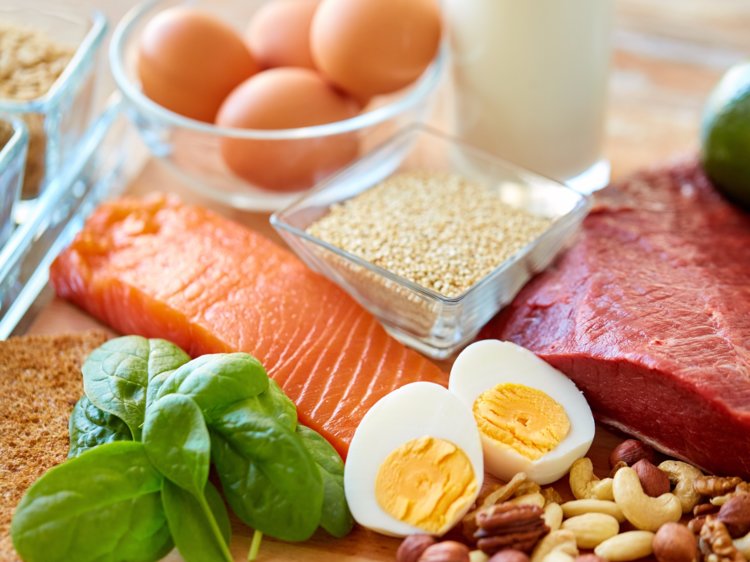
Protein is essential for maintaining muscle and tissue health, but choosing the right sources matters.
Heart-healthy protein options:
- Fish
- Skinless poultry
- Beans and lentils
- Tofu
- Low-fat dairy products
Fish rich in omega-3 fatty acids may help reduce triglyceride levels and support heart health.
5. Reduce Sodium Intake

Excess sodium can increase blood pressure, a major risk factor for heart disease.
Ways to reduce sodium:
- Limit processed and packaged foods
- Use herbs and spices instead of salt
- Read nutrition labels carefully
Most health organizations recommend keeping sodium intake below 2,300 milligrams per day, with lower amounts beneficial for many adults.
6. Limit Added Sugars

High consumption of added sugars can contribute to obesity, diabetes, and heart disease.
Common sources of added sugar:
- Soft drinks
- Candy
- Pastries
- Sweetened cereals
- Energy drinks
Choose water, unsweetened beverages, and naturally sweet fruits instead.
Foods to Avoid or Limit
To protect heart health, it is important to reduce consumption of:
- Processed meats
- Fried foods
- Sugary beverages
- Excessive alcohol
- Foods high in saturated and trans fats
- Highly processed snack foods
These foods can increase cholesterol levels, blood pressure, and inflammation.
Sample One-Day Heart-Healthy Meal Plan
Breakfast
- Oatmeal topped with berries and walnuts
- Low-fat yogurt
- Green tea
Lunch
- Grilled chicken salad with mixed vegetables
- Olive oil and lemon dressing
- Whole-grain roll
Snack
- Apple slices with a handful of almonds
Dinner
- Baked salmon
- Brown rice
- Steamed broccoli
Dessert
- Fresh fruit salad
Additional Lifestyle Habits for Heart Health

A healthy diet works best when combined with other positive lifestyle habits:
- Engage in regular physical activity
- Maintain a healthy body weight
- Avoid smoking
- Manage stress effectively
- Get adequate sleep
- Attend regular health checkups
Conclusion
A healthy heart diet is not about deprivation or strict restrictions. Instead, it focuses on choosing nutrient-dense foods that nourish the body and support cardiovascular health. By eating more fruits, vegetables, whole grains, healthy fats, and lean proteins while limiting sodium, sugar, and unhealthy fats, individuals can significantly reduce their risk of heart disease and improve their overall well-being. Small, consistent dietary changes can lead to lasting benefits for heart health and quality of life.