
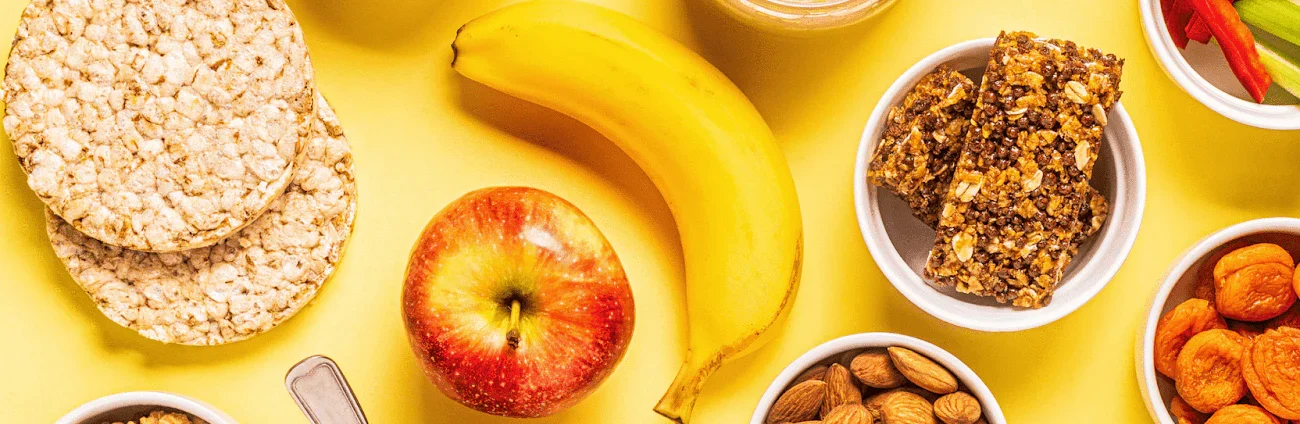
Low-calorie snacks have become increasingly popular among people looking to maintain a healthy lifestyle, manage their weight, or simply make smarter food choices throughout the day. While snacking is often associated with unhealthy habits, choosing nutritious, low-calorie options can help control hunger, provide essential nutrients, and support overall well-being.
This article explores the benefits of low-calorie snacks, popular options, and practical tips for incorporating them into a balanced diet.
What Are Low-Calorie Snacks?
Low-calorie snacks are foods that provide relatively few calories while still offering nutritional value and satiety. Most low-calorie snacks contain between 50 and 200 calories per serving, making them ideal for satisfying hunger between meals without significantly increasing daily calorie intake.
The best low-calorie snacks are rich in fiber, protein, vitamins, and minerals, helping individuals stay full longer and avoid overeating during main meals.
Benefits of Low-Calorie Snacking
1. Supports Weight Management

Consuming healthy, low-calorie snacks can help prevent excessive hunger, reducing the likelihood of overeating during breakfast, lunch, or dinner. This can contribute to maintaining a healthy weight or supporting weight-loss goals.
2. Maintains Energy Levels
Regular, balanced snacks provide a steady source of energy throughout the day. This is particularly beneficial for people with busy schedules or those who engage in physical activity.
3. Improves Nutrient Intake
Choosing nutrient-dense snacks such as fruits, vegetables, nuts, and yogurt can increase the intake of essential vitamins, minerals, and antioxidants.
4. Helps Control Blood Sugar
Healthy snacks can help stabilize blood sugar levels by preventing long periods without food, which may reduce energy crashes and cravings.
Popular Low-Calorie Snack Options
Fresh Fruits
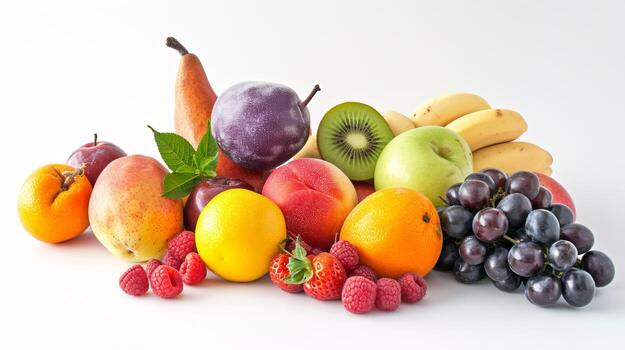
Fruits are naturally sweet, nutritious, and relatively low in calories.
Examples include:
- Apples
- Berries
- Oranges
- Watermelon
- Grapes
Most fruits provide fiber and important vitamins while satisfying sweet cravings.
Raw Vegetables
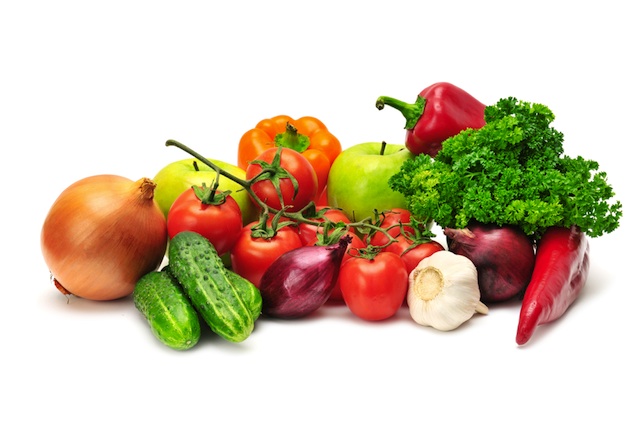
Vegetables are among the lowest-calorie foods available.
Popular choices include:
- Carrot sticks
- Cucumber slices
- Bell peppers
- Celery
- Cherry tomatoes
Pairing vegetables with a small portion of hummus or low-fat dip can enhance flavor without adding excessive calories.
Greek Yogurt

Plain, non-fat Greek yogurt is high in protein and relatively low in calories. Adding fresh berries or a sprinkle of cinnamon creates a nutritious and satisfying snack.
Air-Popped Popcorn
Popcorn is a whole grain and can be surprisingly low in calories when prepared without excessive butter or oil. It provides fiber and a satisfying crunch.
Hard-Boiled Eggs
Eggs are rich in protein and nutrients. One hard-boiled egg contains approximately 70–80 calories, making it a convenient snack option.
Cottage Cheese
Low-fat cottage cheese offers protein, calcium, and a creamy texture while remaining relatively low in calories.
Rice Cakes
Plain rice cakes can serve as a light snack. Toppings such as sliced cucumber, tomato, or a thin spread of nut butter can improve taste and nutrition.
Edamame
Steamed edamame is rich in plant-based protein and fiber, helping promote fullness while remaining moderate in calories.
Tips for Choosing Healthy Low-Calorie Snacks
Focus on Protein and Fiber
Protein and fiber help increase feelings of fullness. Combining the two can create snacks that are both satisfying and nutritious.
Examples include:
- Apple slices with a small amount of peanut butter
- Greek yogurt with berries
- Cottage cheese with cucumber
Watch Portion Sizes
Even healthy foods can contribute excess calories when consumed in large quantities. Measuring portions can help maintain balance.
Limit Added Sugar
Many packaged snacks marketed as healthy contain significant amounts of added sugar. Reading nutrition labels can help identify better options.
Stay Hydrated

Sometimes thirst is mistaken for hunger. Drinking water before reaching for a snack may help determine whether hunger is genuine.
Prepare Snacks in Advance
Keeping healthy snacks readily available can reduce the temptation to choose high-calorie convenience foods.
Sample Low-Calorie Snack Ideas
| Snack | Approximate Calories |
|---|---|
| Medium apple | 95 |
| Cup of strawberries | 50 |
| Hard-boiled egg | 78 |
| Non-fat Greek yogurt | 100 |
| Air-popped popcorn (3 cups) | 90 |
| Carrot sticks with hummus | 120 |
| Cottage cheese (½ cup) | 90 |
| Edamame (½ cup) | 100 |
Conclusion
Low-calorie snacks can play an important role in a healthy eating plan. By choosing nutrient-dense foods such as fruits, vegetables, yogurt, eggs, and whole grains, individuals can manage hunger, maintain energy levels, and support overall health without consuming excessive calories. The key is selecting snacks that provide both nutrition and satisfaction while paying attention to portion sizes and ingredient quality.
With thoughtful planning and smart choices, low-calorie snacking can become an effective and enjoyable part of a balanced lifestyle.